Ceramic Arts Blog
Having Trouble Programming Your Older Kiln Controller? Here's How to Set Up Segmented Schedules
If you're staring at an older electric kiln controller—something like a Skutt KilnMaster, an early L&L DynaTrol, or a basic 3-6 segment digital controller—and feeling lost,...
Common Casting Problems: How to Prevent Plaster Disaster
Slip casting is one of the most rewarding techniques in ceramics—until your plaster mold starts to leak, crumble, or refuse to release your cast. There's nothing...
Pottery 101: Answers to the Questions Every New Potter Asks
Starting in ceramics can feel like stepping into a magical, messy world. Between clay that sticks to everything, glazes that seem temperamental, and kilns that require...
The 5 Stages of Pottery: From Slip to Bisque
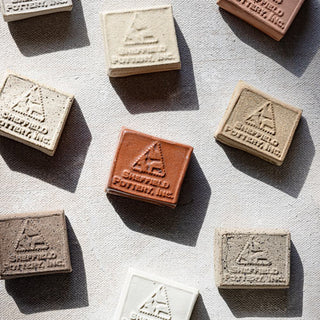
At Sheffield Pottery, we often get asked by new potters: "How does clay transform into a finished piece?" The journey from a lump of clay to...
How to Build a Coil Vase
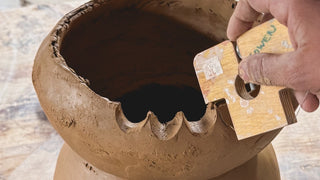
A complete guide to coil vases, coil pots, coil ceramics, and clay coil building for pottery artists of every level Coil building is one of the...
Elevate Your Work: Crafting a Stunning Slab Plate with a Coned Pedestal Foot
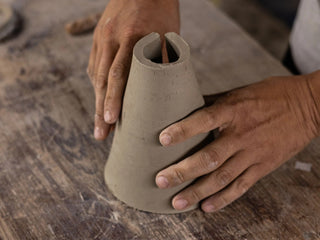
Slab building is a fun and versatile way to build with clay. Preparation is extremely important to the success of your project, but as long as you are patient,...

Kiln Buyers Guide
There is a lot to think about when buying a kiln...the first question is what material do you work with? If you want to do ceramics...
Beauty of Metallic Glazes in Pottery: A Complete Guide for Ceramic Artists
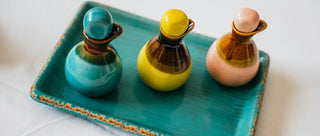
Introduction to Metallic Glazes in Pottery Metallic glazes are often the most exciting aspect of pottery, offering a brilliant shine and depth that can elevate...
Raw Materials Dictionary / Glaze making, Clay Ingredients
Alphabetical information on pottery glaze making materials and clay body ingredients: ADDITIVE A - This clay conditioner gives clay more plasticity, higher green strength and greatly increased workability throughout...